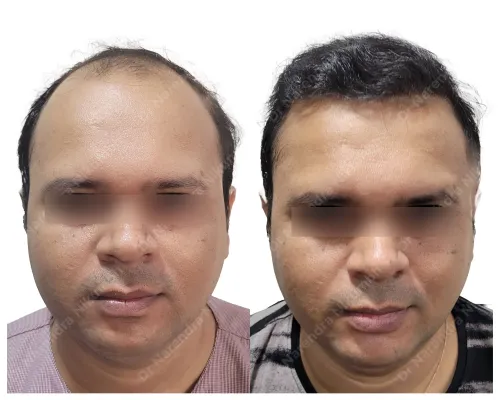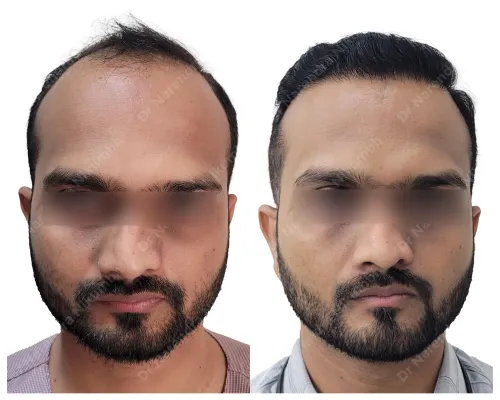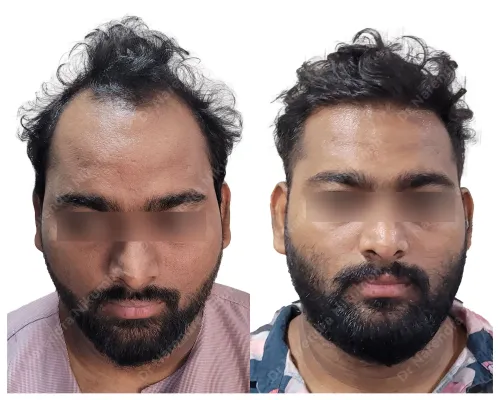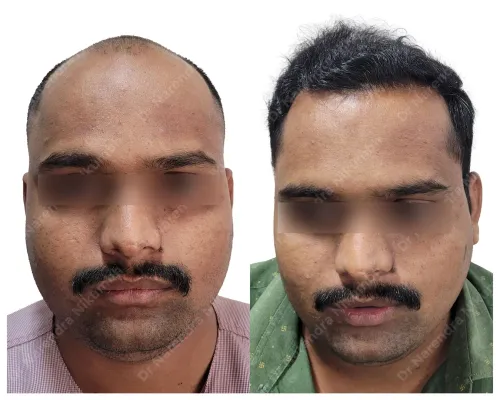
Things to Know Before Undergoing a Hair Transplant Surgery
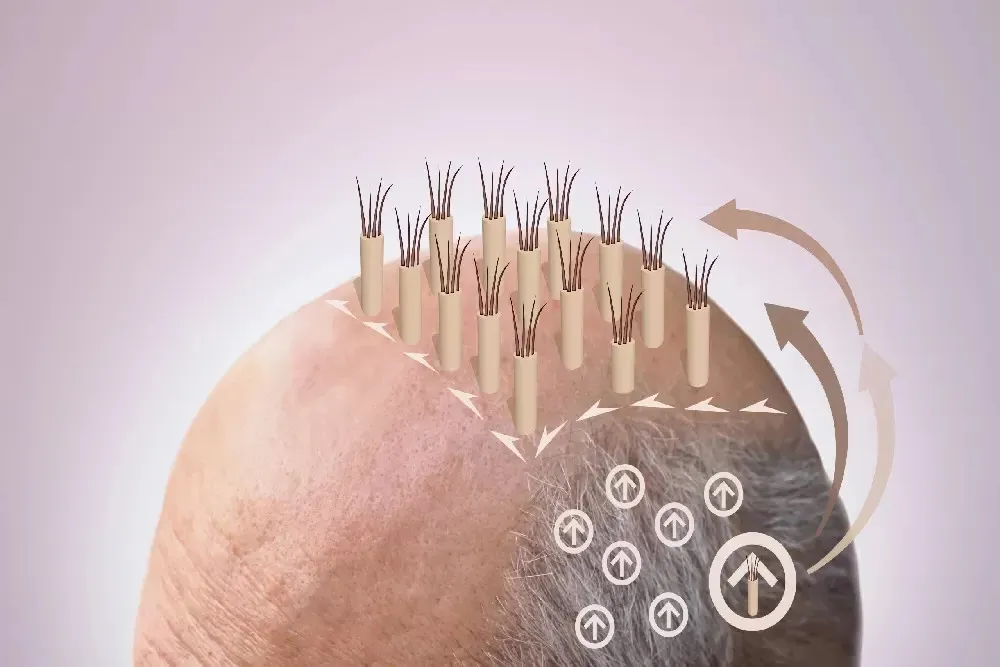
Hair transplant procedures, while not as invasive as full-fledged surgeries, still come with risks that, if neglected, could lead to adverse outcomes. This includes complications related to the patient's appearance, graft survival, and overall health. As the procedure can last anywhere between 6 to 8 hours, there are several potential complications to consider, such as infections or bleeding.
Potential Risks of Hair Transplant Surgery:
- Anesthesia Risks: There is a possibility of an allergic reaction to anesthesia, which must be accounted for.
- Surgical Complications: These include bleeding and infections, common risks associated with any surgery.
- Scarring: Severe, raised, red, or inflamed scars can develop, especially after FUT procedures.
- Nerve Damage: Permanent loss of sensation in the scalp can occur, mainly with FUT surgery.
- Death of Hair Grafts: If proper preservation and handling techniques are not employed, hair grafts can die, affecting the success of the transplant.
- Tissue Death Along the Wound: This risk is primarily associated with the FUT method, as it involves deeper incisions and suturing.
- Need for Additional Surgeries: In some cases, further surgery may be required to correct complications or improve results.
Key Precautions Before Surgery:
- Physical Health Evaluation: A thorough physical exam will help determine if the patient is a suitable candidate for the procedure.
- Medical History: Pre-existing conditions and past surgeries will influence the type of anesthesia and the overall procedure plan.
- Hair Assessment: The surgeon will evaluate the patient’s hair growth pattern, the extent of hair loss, family history of hair loss, and any previous treatments or surgeries.
- Understanding the Risks: It is crucial for patients to understand all the risks and potential complications, so they can make informed decisions about the surgery.
- Medications: The surgeon will need detailed information on any medications the patient is currently taking, including over-the-counter supplements, as they can affect the surgery's planning.
- Past Reactions to Medications: If the patient has ever had a negative reaction to medication, including anesthesia or certain foods (e.g., fish oils), this must be communicated to the surgeon.
- Pre-Surgery Preparation: Patients will be given detailed instructions on how to prepare for the surgery, such as adjusting medication dosages or taking specific medicines.
Choosing anexperienced and qualified surgeon reduces these risks significantly. Even if complications arise, you’ll have the assurance of being treated by someone capable of managing any challenges safely and effectively.
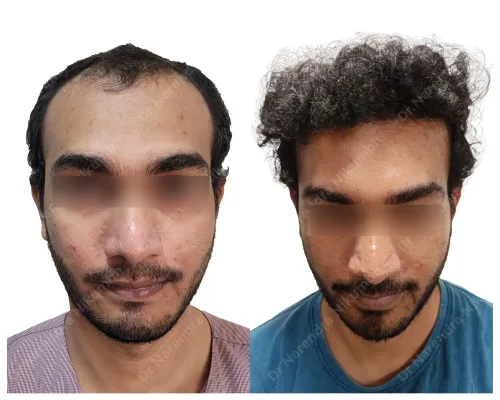
At Infinity Aesthetics Clinic, Dr. Narendra Nikumbh (Dermatologist & Hair Transplant Surgeon) ensures the highest standards of care for every patient, providing personalized guidance and minimizing risks for optimal results.
Address:
S1-05, Dosti Imperia, Besides Shri Ramkrishna Netralaya,
G.B. Road, Manpada, Thane West 400607
Contact Us: 9004473859 / 7715907277
#HairTransplant #PreSurgeryCare #InfinityAesthetics #ThaneDermatologist
Keywords